What inspired you to become a screenwriter, and what keeps you motivated to keep writing?
I was always drawn to storytelling, but screenwriting became my voice when I realized how powerful visual storytelling can be in expressing complex emotional truths. What keeps me motivated is the need to give voice to stories that are often unheard, especially those rooted in real experiences and social realities. Writing, for me, is not just creativity, it’s a form of truth-telling.
Can you tell us about your writing process, from the initial idea to the final draft?
My process usually begins with a strong emotional core or a real-life situation that stays with me. I then build the structure around character and conflict, often working with dual timelines. I outline extensively, but I also allow space for organic development. The rewriting stage is where the real work happens, refining structure, strengthening character arcs, and ensuring clarity and impact.
How do you approach creating characters, and what techniques do you use to develop them?
I focus on creating deeply human characters with contradictions, flaws, and emotional depth. I often build backstories that may not appear on screen but inform behavior and decisions. I also pay close attention to relationships, as they reveal character truth more than exposition ever could.
Can you share with us a bit about your latest project and the story behind it?
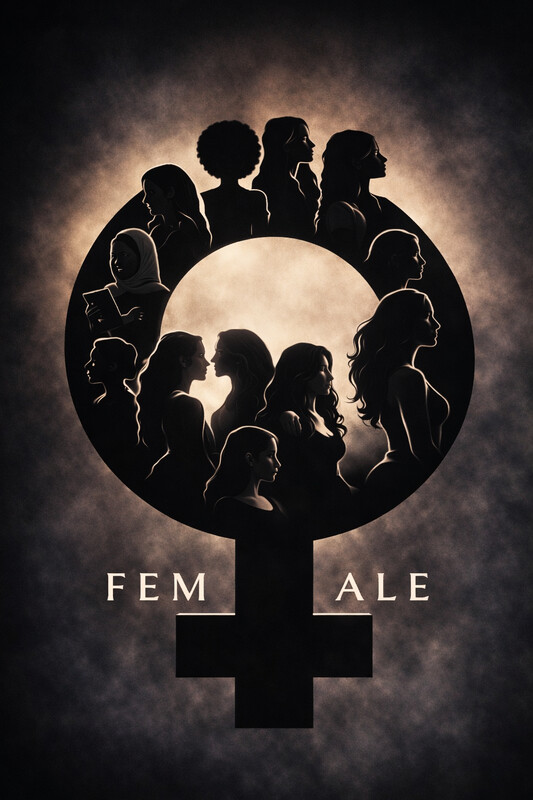
My latest project, FEMALE, is inspired by true events. It follows a woman who is wrongfully institutionalized and must fight to reclaim her freedom, dignity, and her children, while uncovering a conspiracy involving her husband’s family. The story unfolds across multiple timeliness, her past, the conspiracy, and her present inside the institution. It explores themes of injustice, abuse, and resilience, with a strong feminist core.
What do you think sets your writing apart from others in the industry, and how do you showcase your unique voice?
I believe my writing is driven by emotional intensity and authenticity, particularly in stories centered on female perspectives and systemic injustice. I aim to create narratives that are both intimate and socially relevant, blending psychological depth with suspense. My voice comes through in the tone, structure, and the raw honesty of my characters.
How do you balance your personal creative vision with the needs of producers, directors, and other collaborators?
I see collaboration as an essential part of filmmaking. While I remain committed to the emotional truth and core message of the story, I’m open to creative input that enhances the project. It’s about finding a balance where the story evolves without losing its identity.
Can you talk about a particularly challenging moment you faced while working on a project and how you overcame it?
One of the biggest challenges has been structuring complex timelines in a clear and engaging way. In early drafts, clarity was an issue. I addressed this through rewriting, refining transitions, and improving formatting, ensuring the narrative remains accessible while preserving its layered structure.
How do you see the role of screenwriting in the film industry evolving, and how do you see yourself fitting into that future?
Screenwriting is increasingly becoming a platform for diverse and authentic voices. Audiences are seeking stories that feel real and relevant. I see myself contributing to this shift by telling grounded, emotionally driven stories that highlight overlooked perspectives and challenge social norms.
Can you share any advice or tips for emerging screenwriters who are just starting out?
Stay consistent, embrace rewriting, and don’t be afraid to tell difficult or personal stories. Authenticity is your strongest asset. Also, seek feedback, but learn to filter it, understand what serves your story and what doesn’t.
Finally, what are your long-term goals as a screenwriter, and what legacy do you hope to leave in the industry?
My goal is to create impactful films that resonate emotionally and socially, and to collaborate on international productions that bridge cultures. I hope to leave behind stories that give voice to those who feel unseen and contribute to meaningful conversations through cinema.
Submissions
everyone has a story to tell…
We invite you to submit your projects, feature scripts or any of your recent screenplays to be considered for our festival.
Our expert panel of industry professionals will review all submissions and select a diverse group of Winners and Official Selected.